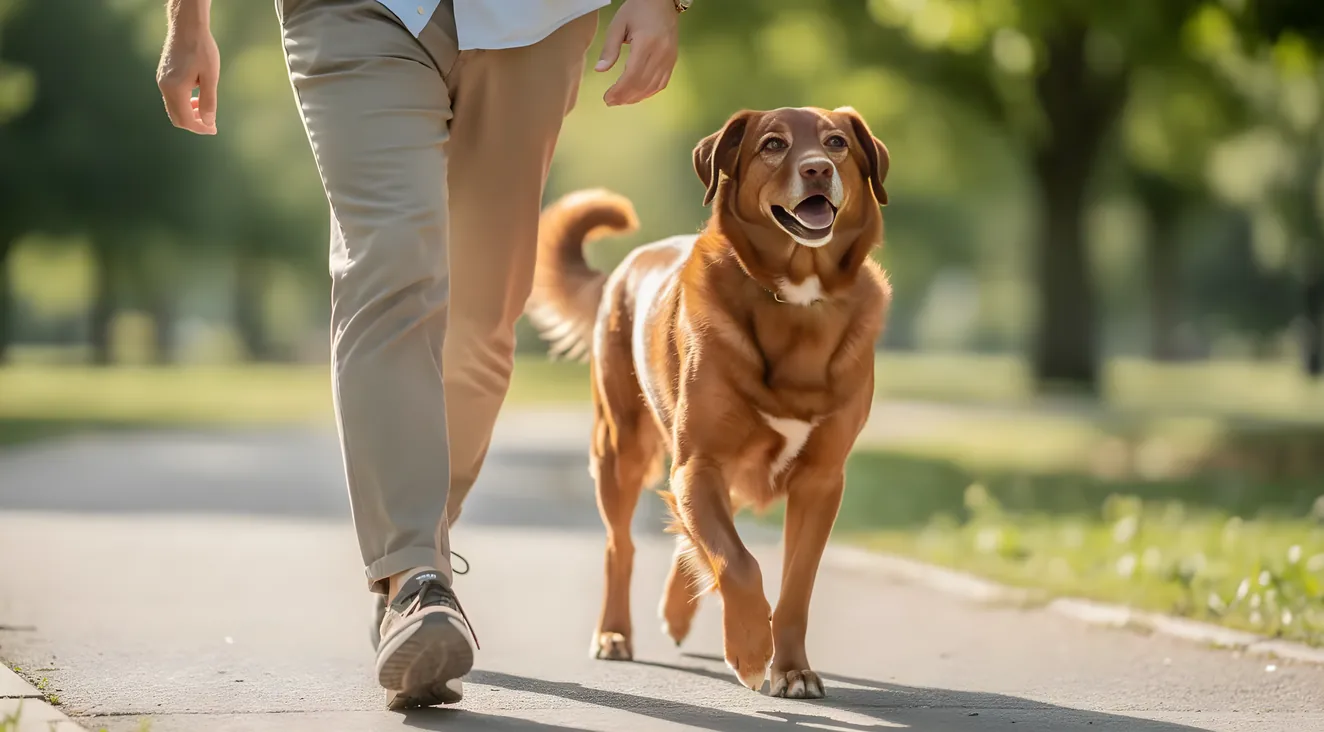
Dog Walking for Weight Management: Keeping Your Dog Fit
Extra weight is one of the most common health issues dogs face today, and it's also one of the most preventable. Veterinary researchers who track pet weight trends consistently find that more than half of dogs in the U.S. carry more weight than is healthy for them, and much of that comes down to a mismatch between calories in and activity out. Among the physical benefits of dog walking, weight management is one of the most direct: a walk burns calories, and doing it consistently is one of the simplest ways to keep a dog's weight where it should be.
Why Dog Obesity Is So Common
A lot of it comes down to convenience. Dry food is easy to overportion, treats add up faster than most owners realize, and a dog who spends most of the day resting indoors simply doesn't burn much. Add a sedentary lifestyle to a calorie-dense diet, and weight creeps on gradually, often slowly enough that owners don't notice until a vet visit flags it.
Some breeds are also more prone to weight gain than others, particularly breeds with lower activity drives or a genetic tendency to overeat. But breed predisposition aside, the core issue for most overweight dogs is the same one that affects overweight people: more calories coming in than the body is burning off.
The Health Risks of Excess Weight
Carrying extra weight puts real strain on a dog's body. It adds stress to joints, which can accelerate arthritis and make existing joint problems worse. It increases the workload on the heart and lungs, and it's linked to a higher risk of diabetes. Overweight dogs also tend to have a shorter life expectancy on average than dogs kept at a healthy weight, and they're more likely to struggle with heat tolerance, which matters a great deal during Texas summers.
Beyond the medical risks, excess weight affects quality of life day to day. An overweight dog tires faster, plays less, and often shows less enthusiasm for activities they used to enjoy, not because they've lost interest but because the extra weight makes movement harder and less comfortable.
How Regular Walking Helps Maintain a Healthy Weight
Walking is one of the lowest-risk ways to burn calories in a dog, because it's low-impact enough to be sustainable even for dogs who are already carrying extra weight or dealing with mild joint issues. Unlike more intense exercise, which can be hard to introduce safely to an overweight or out-of-shape dog, walking can start gently and build up gradually as fitness improves.
Consistency matters more than intensity here. A dog walked for 30 minutes most days of the week will generally see better weight results than a dog who gets one long, hard walk on the weekend and nothing in between. The goal is a steady calorie burn spread across the week, paired with a diet that matches the dog's actual activity level rather than an estimate based on breed averages alone.
Walking as Part of a Full Weight Management Plan
Walking alone rarely solves a serious weight problem if diet isn't addressed at the same time. A dog eating more calories than they burn will struggle to lose weight no matter how much they walk, so the two need to work together. That usually means measuring food portions accurately, cutting back on high-calorie treats, and asking a veterinarian to confirm the right calorie target for the dog's ideal weight rather than their current one.
Once diet is dialed in, walking becomes the piece that keeps the weight off long term rather than just helping it come off initially. A dog who reaches a healthy weight through diet alone but goes back to a sedentary routine will often regain it. Regular walking, kept up as a habit rather than a temporary fix, is what makes weight management sustainable.
If your schedule makes daily walks hard to guarantee, a professional dog walker can help keep your dog's activity consistent even on your busiest days. Weight management also connects closely to the overall physical health benefits of walking and to keeping a dog mentally engaged during exercise rather than just going through the motions. See the full picture on our benefits hub.
Frequently Asked Questions
How much walking does an overweight dog need to lose weight?
It depends on the dog's current fitness and any joint concerns, but many overweight dogs do well starting with two 15 to 20 minute walks a day and building up gradually as fitness and comfort improve.
Can walking alone help my dog lose weight without changing their diet?
It can help, but it's rarely enough on its own for significant weight loss. Diet changes typically make the biggest difference, with walking supporting the process and helping keep weight off once it's lost.
Is it safe to walk an overweight dog, or should I wait until they lose weight first?
Walking is generally safe for overweight dogs and is actually part of how they lose weight, but start gently, especially if there are any joint concerns, and check with your veterinarian if your dog has other health issues.
How can I tell if my dog is actually overweight?
You should be able to feel your dog's ribs with light pressure without them being visibly prominent, and they should have a visible waist when viewed from above. If you can't feel the ribs easily, your dog may be carrying excess weight.
Does breed affect how easily a dog gains weight?
Yes, some breeds are more prone to weight gain due to lower natural activity drives or a stronger genetic tendency to overeat, but any dog can become overweight with the wrong balance of diet and exercise.
Will my dog's weight loss show up quickly once I start walking regularly?
Meaningful weight loss usually takes a few weeks to months of consistent walking and diet management, since safe, sustainable weight loss in dogs happens gradually rather than quickly.
Should I check with a vet before starting a weight loss walking plan?
Yes, especially for dogs who are significantly overweight or have existing joint or heart conditions. A veterinarian can help set a safe pace and confirm there's no underlying medical cause for the weight gain.