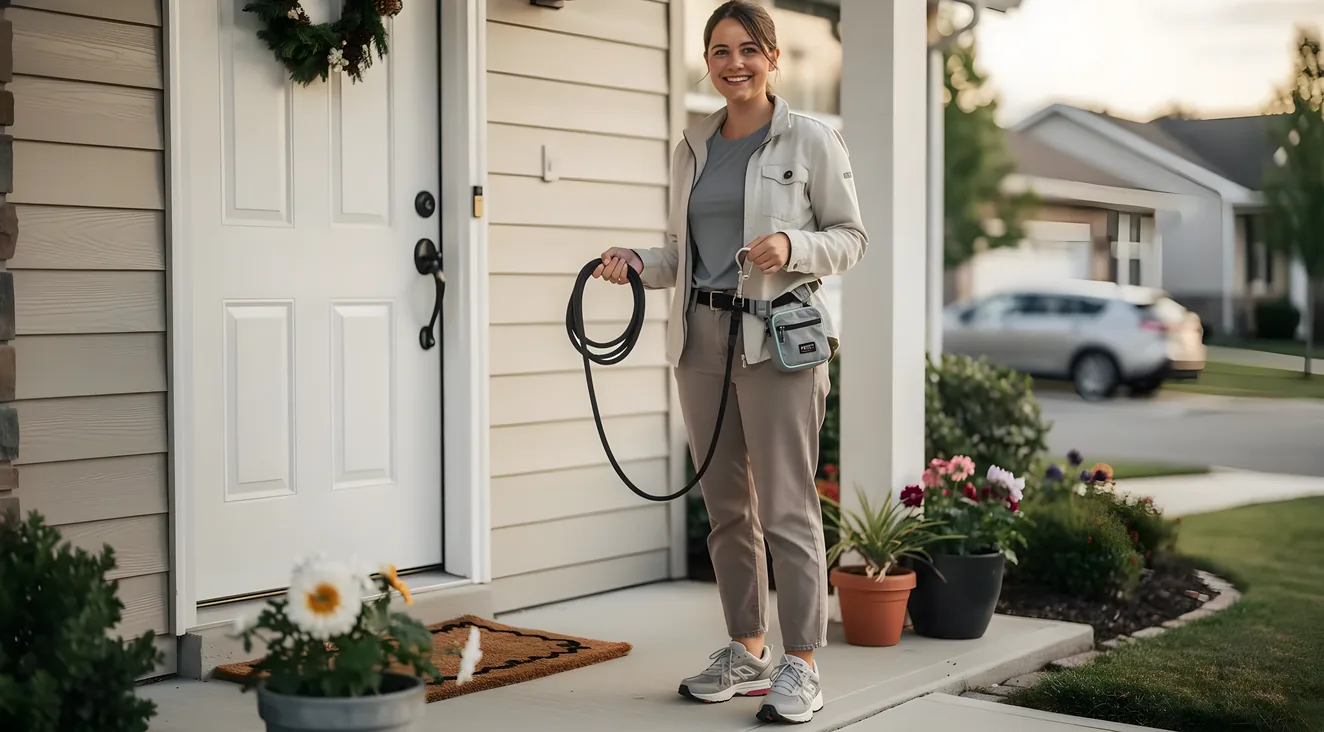
What to Expect on Your Dog's First Professional Walk
The first professional walk your dog goes on usually isn't the first visit at all. Most reputable providers start with a meet-and-greet, then move into a first paid walk once you and your dog are both comfortable with the arrangement. Knowing what that sequence actually looks like takes a lot of the guesswork out of hiring, and helps you prepare your home and your dog so day one goes smoothly.
The Typical Onboarding Process
Onboarding with a dog walking provider generally follows a predictable order: an initial phone or email conversation to confirm service area and pricing, a scheduled meet-and-greet at your home, and then your first booked walk once both sides are ready to move forward. Some providers ask you to fill out a short intake form beforehand, covering your dog's age, temperament, any medical needs, and behavioral notes like leash reactivity or fear of certain sounds. This form matters more than it might seem; it's what lets the walker prepare for your dog specifically rather than treating every dog the same.
What Happens During a Meet-and-Greet
A meet-and-greet is a short, no-cost visit, usually 15 to 30 minutes, where the walker comes to your home before any paid service begins. During this visit, expect the walker to spend time getting to know your dog directly: letting your dog approach at its own pace, observing how it reacts to a new person, and gauging leash manners if a short practice walk is included.
At the same time, this is your chance to walk through practical logistics. Where is the leash kept? How does the door lock, and is there a code or key involved? Does your dog have any commands it already knows and responds to? Are there specific streets, dogs, or situations your dog reacts poorly to? A good meet-and-greet covers all of this in a relaxed, unhurried way rather than rushing through a checklist.
If your dog is a puppy still learning basic leash skills, this first meeting is also where a walker experienced with puppies will note things like how your puppy handles distractions and whether more frequent, shorter visits make more sense than one longer walk. Our page on puppy walk services covers how that service type differs from a standard adult-dog walk.
What to Prepare Before the First Walk
A little preparation on your end makes the transition smoother for everyone involved, including your dog.
- A spare key or access method, whether that's a lockbox, a smart lock code, or a designated hide-a-key location, arranged in advance so there's no scrambling on the first scheduled day.
- The leash, harness, or collar your dog is used to, set out somewhere visible rather than tucked away. If your dog does better on a harness than a flat collar, say so clearly.
- A few treats, if your dog responds well to positive reinforcement, left out with a note on quantity and any allergies.
- Emergency contact information, including your own cell number, a backup contact who can make decisions if you're unreachable, and your vet's name and phone number.
- Any medication instructions, written down rather than explained verbally only, if your dog takes anything during the day.
Having these ready before the meet-and-greet, not just before the first paid walk, lets the walker start building familiarity with your routine from the very first visit.
First Walk Day: What Actually Happens
On the day of the first solo walk, most providers follow a similar rhythm. The walker arrives within the agreed window, lets themselves in using the access method you arranged, and spends a minute or two greeting your dog before clipping on the leash. This brief settling period matters, especially for anxious dogs, since walking straight out the door with no transition can spike stress that carries into the rest of the walk.
The walk itself follows whatever route and pace fits your dog, adjusted for weather, your dog's energy level, and any specific instructions you've given (avoiding a particular street with a loose-dog history, for example). Afterward, expect a water refill if your dog needs one, and some form of update: a text message, a few photos, or a note through whatever app or system the provider uses. This update is worth paying attention to on the first few visits especially, since a walker who reports specific, useful details (your dog met another dog calmly, or seemed a little hesitant near a specific yard) is paying closer attention than one who sends a generic "great walk!" message every time.
Setting Expectations With Your Walker
The first walk is also the point to nail down the practical details that keep the arrangement running smoothly going forward: preferred communication method and timing, what to do if weather turns severe mid-walk, how last-minute schedule changes get handled on both sides, and what the plan is if your dog seems off in some way during a visit. Providers who invite this conversation openly, rather than treating it as an inconvenience, tend to be the ones who communicate well over the long run too.
If you're still deciding between providers before you get to this stage, our guide on how to choose a dog walker in Melissa covers the credentials and vetting steps worth checking first, and our list of questions to ask before hiring will help you get clear answers during that initial conversation. Once you're ready to move forward, our full directory of dog walking services in Melissa can point you toward the right provider and walk type for your dog.
Frequently Asked Questions
Is the first visit always free?
Most providers offer a free or low-cost meet-and-greet before the first paid walk, though this isn't universal. Confirm this when you first inquire.
How long does onboarding usually take?
A phone conversation, a meet-and-greet, and your first paid walk can often happen within the same week, sometimes faster if your schedule allows.
What if my dog seems nervous during the meet-and-greet?
This is common and not a dealbreaker. A good walker will let your dog set the pace rather than forcing interaction, and multiple short visits before the first solo walk can help.
Should I be home for the first walk?
It's not required, but some owners prefer to be present for at least part of the meet-and-greet. Whether you're home for the actual first paid walk is entirely your choice.
What should I do if I forget to leave emergency contact info?
Provide it as soon as possible, ideally before the first solo walk. A responsible provider will ask if it's missing rather than proceeding without it.
How will I know the walk actually happened?
Most providers send a text, photo, or app notification after each visit. If this isn't offered automatically, ask about it directly during onboarding.
Can I change instructions after the first walk?
Yes. Instructions, routes, and preferences can typically be updated at any point; just communicate changes clearly and confirm the walker received them.