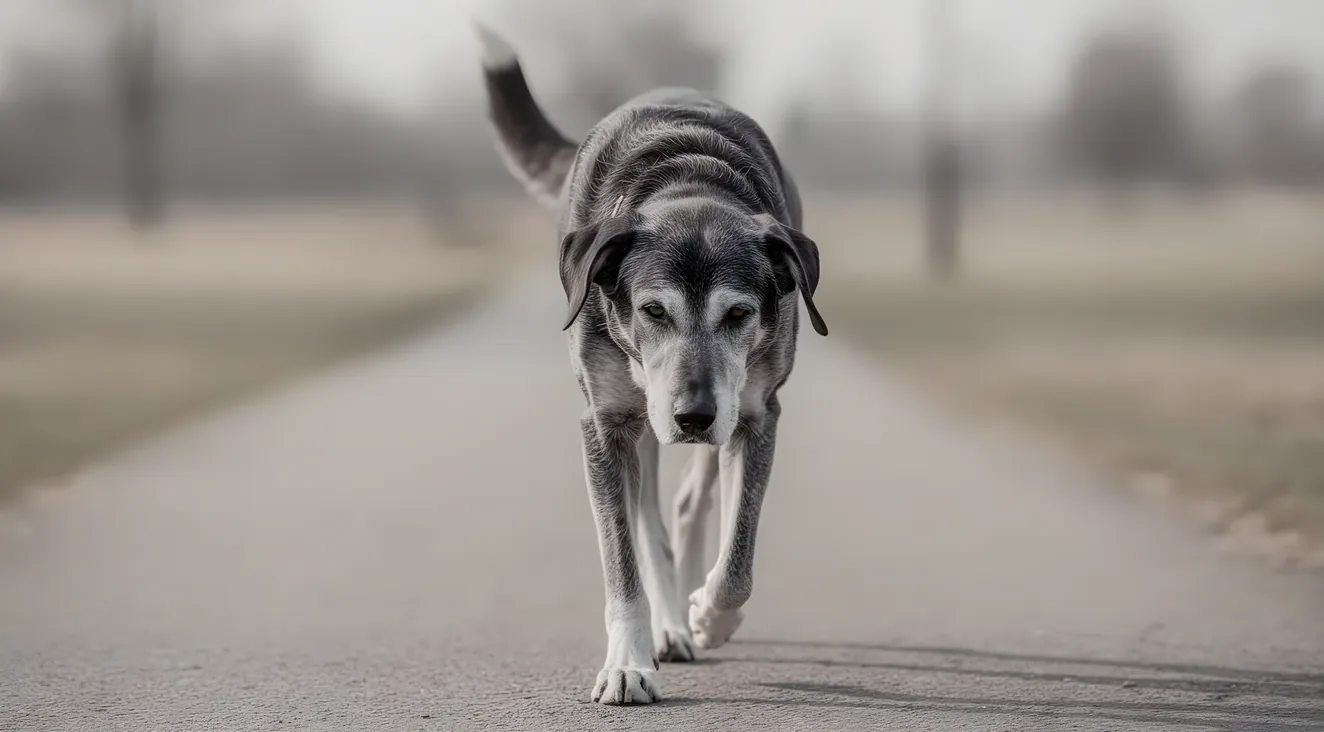
Senior Dog Walking in Melissa, TX
Older dogs still need to move, just differently than they did at two years old. A senior dog walk isn't a shorter version of a regular walk tacked on as an afterthought. It's a walk built around a different set of physical realities: stiffer joints, less stamina, and a pace that needs room to slow down without anyone rushing it.
How Walking Needs Change With Age
As dogs age, changes that were barely noticeable at first start to show up on walks: more hesitation on stairs or curbs, slower starts after resting, or reluctance to go as far as they used to. None of that means a senior dog should stop walking. Movement actually helps manage joint stiffness and keeps muscle mass that supports aging joints, but the walk itself needs to adjust to match what the dog's body can handle that day, not what it could handle a few years ago.
Adjusting Pace and Distance
A senior-focused walker builds in more frequent breaks, shorter overall distances, and a pace set by the dog rather than a fixed schedule. Flat, even surfaces are generally easier on aging joints than uneven terrain, and a walker familiar with a senior dog's specific limitations will choose routes accordingly. For a dog managing arthritis or another joint condition, even ten or fifteen minutes of gentle movement can matter more than a longer walk pushed past comfort.
Signs Your Senior Dog Still Needs Regular Walks
It's tempting to assume an older dog that seems tired doesn't want to walk at all, but that's rarely the full picture. Dogs that perk up at the sight of a leash, that seem restless indoors, or that show stiffness improving once they've warmed up during a walk are usually dogs that still benefit from regular movement, just at a gentler pace. Our guide to the exercise benefits of dog walking covers why consistent, appropriate movement matters at every life stage, including the senior years.
When to Shorten or Modify a Walk
Some days call for less than the usual routine, and a good walker reads those signals rather than sticking rigidly to a plan. Heavier panting than normal, lagging noticeably behind, or visible discomfort on a particular joint are all reasons to cut a walk shorter that day. Texas heat adds another layer for senior dogs specifically, since older dogs often regulate body temperature less efficiently than younger ones. Scheduling senior walks for cooler parts of the day matters even more than it does for a younger, more resilient dog.
What a Gentle Senior Walk Looks Like in Practice
A senior walk in Melissa typically means a slower pace down flat, familiar sidewalks, frequent pauses to sniff or rest, and a walker paying close attention to how the dog is moving rather than covering a set distance. Because senior dogs often do better with focused, individual attention rather than the stimulation of other dogs, most senior walks are structured as solo visits rather than group walks.
Keeping Older Dogs Moving Comfortably
A senior dog doesn't need to stop moving. It needs a walk built around what its body can actually handle, led by someone paying attention to the small signals that indicate whether that day calls for a full route or a short, easy stroll. Browse the full directory of Melissa dog walking services to find a walker experienced with older dogs and the adjustments senior care requires.
Frequently Asked Questions
How often should senior dogs be walked?
Most senior dogs still benefit from daily movement, just shorter and gentler than a younger dog's routine. Frequency matters less than matching the walk to what the dog can comfortably handle.
What are signs my older dog needs shorter walks?
Heavier panting than usual, lagging behind, or visible stiffness or discomfort during a walk are all signs it's time to shorten the route or slow the pace.
Can arthritis stop a senior dog from walking altogether?
Not usually. Gentle, consistent movement often helps manage arthritis symptoms rather than making them worse, though the walk needs to be adjusted to the dog's comfort level.
Should senior dogs walk in Texas heat?
With caution. Older dogs often handle heat less efficiently than younger dogs, so scheduling walks for cooler morning or evening hours matters even more for seniors.
Is it okay to skip walks if my senior dog seems tired?
Occasional rest days are fine, but persistent reluctance to move is worth mentioning to your vet rather than assumed as a normal part of aging.
Are senior dog walks solo or group format?
Senior walks are typically structured as solo visits so the walker can give close, individual attention to pace and comfort.